
Central New York Weather Is Tough on Buildings
For the average homeowner, Central New York home maintenance begins with the home and outbuildings. In Central New York, snow, wind, rain, ice and repeated freezing and thawing cause home both in urban and rural areas, to take a beating and can turn small maintenance issues into expensive repairs if they go unnoticed and un-fixed.
For homeowners across Wayne County and east toward Oswego and Onondaga Counties, a timely early Spring or Fall property inspection does not need to be complicated. Once or twice a year, walk around your house, garage, pole barns and other structures on your property and look for changes. You are not trying to diagnose every problem. You are looking for warning signs that something may need attention before the next lake effect snow machine kicks into high gear.
Quick Central New York Home Maintenance Checklist
Not sure where to start? A simple walk around your property can reveal a lot. Check these areas before winter and again after periods of severe weather:
- Roof: Missing shingles, damaged metal panels, loose flashing or trim
- Gutters and drainage: Blockages, damaged downspouts, standing water or poor grading
- Siding and trim: Loose panels, open joints, cracks or deterioration
- Windows and doors: Failed caulk, damaged weather seals or changes in operation
- Chimney: Cracked mortar, loose or spalling brick, staining or visible movement
- Foundation: New cracks, water intrusion or changes since your last inspection
- Decks and railings: Loose boards, unstable railings, damaged steps or deteriorated connections
- Pole barns and garages: Roof and siding damage, leaks, door problems, drainage and visible structural changes
One of the best things to look for is change. If something looks, feels or operates differently than it did six months ago, take a closer look.
1. Start at the Roof, but Stay on the Ground
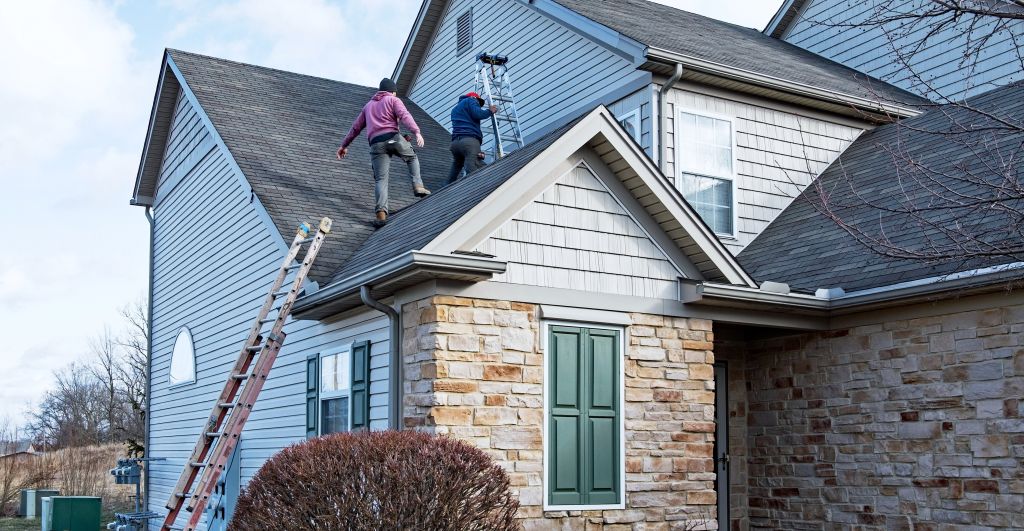
Your roof is the property’s first defense against Central New York weather. From the ground, look for missing or damaged shingles, displaced metal roofing, loose trim, damaged gutters and anything that appears different from the surrounding roof.
Inside attics, garages and barns, watch for water stains, damp insulation or daylight where it should not be visible. Most homeowners can perform a good visual inspection without climbing onto a roof. If something looks questionable, have it inspected by someone qualified to work safely at height.
2. Look for Water Before You Look for Damage
Water is often where bigger building problem begin when it comes to Central New York home maintenance issues. Make sure gutters and downspouts direct water away from the structure. After heavy rain, look for standing water, erosion or ground that slopes toward the foundation.
Check basements and crawl spaces for dampness, staining or musty odors. Around garages and pole barns, look for evidence that water is entering around doors, slabs or the building perimeter.
3. Inspect Siding, Windows and Exterior Doors
Loose siding, open joints, deteriorated caulk, damaged trim and gaps around windows or doors can allow wind-driven rain and melting snow into the building envelope.
Open and close exterior doors and windows. A door that suddenly sticks or a window that no longer operates normally may simply need adjustment, but a noticeable change is worth investigating.
4. Take a Good Look at Your Chimney
Masonry deserves special attention in Central New York home maintenance because moisture and freeze-thaw cycles can progressively damage brick and mortar. Watch for cracked or missing mortar, flaking or spalling brick, white staining, loose masonry or a chimney that appears to be leaning or separating from the house. This is particularly true in older homes and those built before 1970.
If you are unsure what you are seeing, this detailed guide to chimney brick and flue damage in Central New York from Syracuse-area masonry specialists A-Z Construction & Restoration explains how moisture, freeze-thaw cycles and other conditions affect masonry and what homeowners should watch for.
Falling masonry or visible structural movement should not be treated as routine maintenance. Keep people away from the affected area and have a qualified chimney repair and reconstruction professional evaluate it.
5. Your Pole Barn or Garage Needs an Inspection Too
Your house is not the only building that has to withstand a Central New York winter. Pole barns, detached garages, workshops and agricultural buildings face the same snow, wind, moisture and temperature swings.
Look for loose or damaged metal roofing and siding, missing trim, leaks, damaged doors, deteriorated weather seals and unusual movement. Inside, look upward for water staining, condensation, displaced insulation or visible changes around trusses and structural members.
Check drainage around the building and visible foundation components as well. Never cut, drill, remove or modify trusses, posts, bracing or other structural components without appropriate professional guidance.
If an older outbuilding no longer meets your needs, maintenance may also be the point when you begin considering replacement or expansion. Secor’s pole barn and post-frame building packages can be developed for agricultural, residential, commercial and equipment-storage applications, with design, materials, estimating and engineering support available depending on the project.
6. Check Decks, Steps and Railings
Clear leaves and debris from areas where they can trap moisture. Look for loose decking, deteriorated boards, movement in stairs or railings, protruding fasteners and places where water repeatedly collects.
Pay particular attention to connections between a deck and the house. If something feels loose, moves unexpectedly or appears structurally compromised, have it evaluated rather than simply covering the visible problem.
7. Pay Attention to What Has Changed
One of the most useful home maintenance habits costs nothing: remember what your property looked and felt like six months ago.
A new crack, recurring wet spot, door that suddenly binds, loose piece of siding, sagging gutter or stain on a ceiling is information. Take a photo and note the date. Comparing conditions over time can help distinguish an isolated cosmetic issue from a problem that is progressing.
A Little Maintenance Now Can Prevent a Much Bigger Project Later
Since 1939, Secor Lumber has helped generations of Central New York homeowners, farmers, builders and contractors maintain existing properties and plan what comes next. Whether you are making seasonal repairs or considering a new garage, workshop, agricultural building or pole barn, good projects begin by understanding the building, the materials and the conditions they need to withstand.
Planning a new outbuilding? Explore Secor’s post-frame and pole barn building packages or talk with the Secor team about the right starting point for your project.
You’ve Got Questions. We’ve Got Answers!
Contact Secor Lumber in Savannah NY – proudly serving Wayne County and the surrounding Central New York area since 1939 – for more information on our products and services